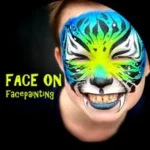
How Social Media Affects the Art and Face Painting Industry
Social media has transformed the art world, and the face painting industry is no exception. Platforms such as Instagram and Facebook have created powerful opportunities for artists to showcase their work, attract clients, and build a recognisable brand. For a visual service like face painting, social media acts as a live portfolio, allowing potential customers to instantly see quality, style, and creativity before making a booking.
One of the biggest advantages is visibility. A single well-captured design can reach hundreds — or even thousands — of people within hours. Bright colours, glitter designs, and dramatic transformations are particularly eye-catching online, making face painting highly shareable content. Short videos and reels showing before-and-after transformations or time-lapse designs help demonstrate both skill and speed, which are important factors for event organisers.
Social media also builds trust. Reviews, tagged photos, and shared posts from happy clients act as modern word-of-mouth marketing. Parents planning parties or companies organising events often look at social pages to judge professionalism and consistency. A well-maintained profile with regular posts and positive feedback reassures clients that they are hiring an experienced, reliable artist.
However, social media also creates challenges. Trends move quickly, meaning artists must continually adapt to new styles, techniques, and popular characters. There can also be pressure to produce increasingly elaborate designs for online attention, even when event settings require simpler, faster work.
Overall, social media has elevated face painting from a simple party add-on to a respected creative business. It provides artists with direct access to their audience, supports brand growth, and allows creativity to be celebrated globally — all from a single post.